Build lasting habits through simple exercises you can do anywhere.
Starting your fitness journey can feel overwhelming, especially when you are stepping into a gym for the first time or considering outdoor workouts under a shade tree. The smart approach is to begin with baby steps. If you are new to exercise or returning after a long break, commit to light workouts at least twice a week for six to eight weeks. This gives your body time to adapt without overwhelming your joints or muscles. During this foundation phase, focus on learning proper movement patterns rather than pushing heavy loads.
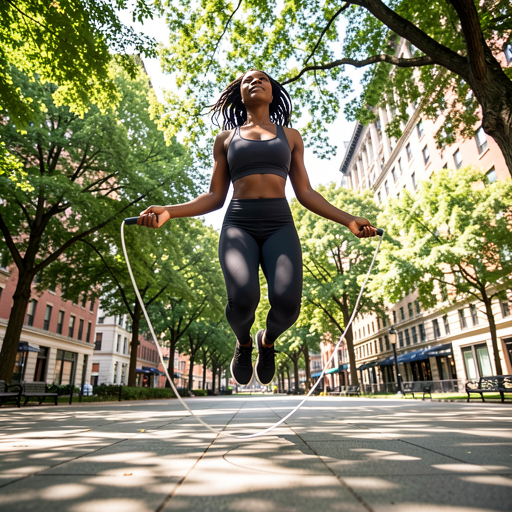
A resistance band, a pair of light dumbbells and your own body weight are all you need to get started. Many trainers will tell you the same thing: consistency beats intensity every single time when you are building lasting habits. As you grow more comfortable with your routine, you can gradually increase the challenge by adding weight or trying more complex movements. This is also when jumping rope becomes an incredible tool for your training. To jump rope with a training jump rope regularly is to build cardiovascular endurance that will carry over into every other exercise you do.
💡
It strengthens your calves, improves your footwork and develops the kind of stamina that makes daily activities feel effortless. You can practice this anywhere, even in a neighborhood park without a gym membership. The beauty of skipping lies in how it trains your heart and lungs while simultaneously coordinating your full body. When it comes to equipment choices for strength and cardio, simplicity serves beginners far better than complexity. You do not need a full gym to get results.
🤐
Start with bodyweight exercises like squats, push-ups and lunges, then layer in resistance bands or kettlebells as your strength improves. Cardiovascular fitness responds well to activities like brisk walking, cycling or rope workouts, which elevate your heart rate without requiring specialized machines. Flexibility and mobility work round out a balanced program and incorporating stretching or simple yoga flows two or three times per week keeps your joints supple. At fifty-seven, maintaining mobility matters just as much as building strength, because your goal is to stay active and independent for the long haul. The most important piece of advice any experienced lifter can offer is to find a routine you actually enjoy and stick with it.
🦈
Whether you work out in a polished gym with all the bells and whistles or use a quiet park as your training ground, what matters is showing up consistently. Your body adapts beautifully to regular movement and the habits you build now will pay dividends for decades. Keep your program varied enough to stay engaged but simple enough to follow without hesitation. With patience and steady effort, you will look back in a year and barely recognize how far you have come.