Why this simple exercise builds endurance, coordination and full-body fitness.
Jumping rope represents one of the most accessible forms of cardiovascular exercise available to people of all ages and fitness levels. Unlike many modern workout routines that demand expensive gym memberships or specialized equipment, this simple activity requires nothing more than a suitable cord and a flat surface. The rhythmic motion of skipping engages nearly every muscle group in the body, from the calves and thighs to the shoulders and core, creating a comprehensive full-body workout that burns calories at an impressive rate. A person weighing approximately one hundred fifty pounds can expect to torch between six hundred and eight hundred calories during an intense thirty-minute session, making it significantly more efficient than walking or light jogging for time invested.
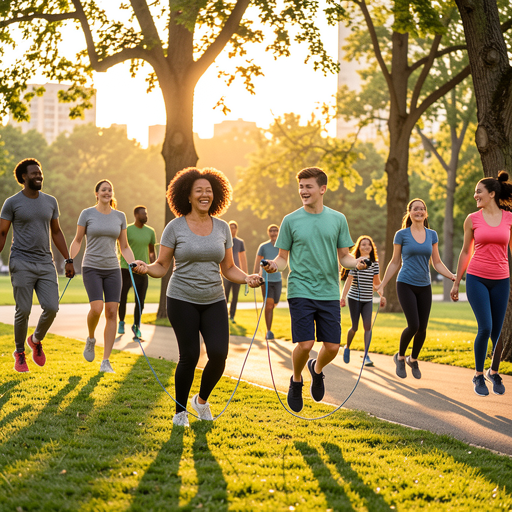
Beyond the physical benefits, the mental focus required to maintain a steady rhythm helps clear the mind and develop coordination that translates to athletic performance in other sports. Learning to skip properly takes practice and beginners should start with shorter intervals interspersed with rest periods to allow their bodies to adapt to the demands placed upon their joints and muscles. The history of rope skipping stretches back thousands of years, with evidence suggesting that ancient Egyptians used similar cord-based exercises for physical conditioning. Modern jump rope training gained significant popularity in the nineteen twenties and thirties when boxers discovered the tremendous value of the activity for building footwork, timing and cardiovascular endurance.
👧🏽
Many professional fighters still incorporate rope exercises into their daily preparation routines because the sport demands the same qualities that rope skipping develops. The agility gained from consistent practice allows athletes to move more efficiently in the ring, while the sustained elevation of heart rate builds the aerobic base necessary for maintaining peak performance throughout extended bouts. This traditional approach to athletic preparation continues to inspire coaches and trainers who recognize the timeless value of simple, effective conditioning methods that have been proven across generations of competitors. For recreational exercisers, the joy of mastering new skipping patterns provides motivation that many people never experience in conventional gym settings.
🎃
The progression from basic two-foot hops to more complex techniques like alternating foot skips, double unders and crossover moves creates a learning curve that keeps workouts engaging and challenging over months and years. Children particularly benefit from regular rope skipping, as the activity supports healthy bone development, improves spatial awareness and instills confidence through skill acquisition. Schools across numerous countries have recognized these developmental advantages and incorporated rope skipping into daily physical education programs, resulting in measurable improvements in student fitness levels and classroom behavior. The social aspect of group skipping sessions, whether in a gym class or community fitness program, fosters camaraderie and mutual encouragement that helps participants stay committed to their health goals.
🦎
Consistent practice transforms an initially clumsy activity into a graceful dance-like motion that appears effortless to observers who do not understand the dedication required behind the scenes. Building the stamina to skip continuously for ten or twenty minutes demands gradual progression, starting with brief intervals and slowly extending duration as cardiovascular capacity improves. The low barrier to entry means that anyone willing to commit time and effort can experience measurable improvements in fitness, coordination and overall wellbeing within weeks of regular practice. As modern lifestyles grow increasingly sedentary, activities like rope skipping offer a practical counterbalance that requires minimal space and financial investment while delivering substantial health benefits for people seeking sustainable approaches to staying active and maintaining physical fitness throughout their lives.