Discover how this simple exercise transforms your cardiovascular health and coordination.
Jumping rope has quietly become one of the most effective full-body workouts available to anyone with minimal equipment and a small amount of open space. This seemingly simple exercise engages nearly every major muscle group while simultaneously challenging cardiovascular endurance, coordination and mental focus. When you commit to jump rope as a regular practice, you are investing in a fitness modality that delivers results far exceeding what the low price of a quality rope might suggest. Athletes across disciplines from boxing to basketball have relied on skipping as a foundational training tool for decades and the mainstream fitness community is only now catching up to what trainers always knew to be true. The cardiovascular benefits of skipping are remarkable.
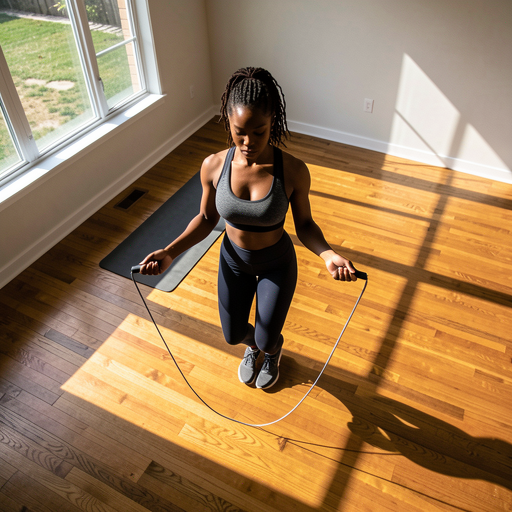
Studies have shown that just ten minutes of moderate-paced jumping rope can deliver a cardio workout equivalent to thirty minutes of running at a moderate jog. This time efficiency makes it an ideal solution for individuals who struggle to find extended blocks of time for exercise. The rhythmic nature of the activity also induces a meditative state for many practitioners. As the rope swings consistently and your footfalls settle into a predictable cadence, external distractions fade and mental clarity emerges. This dual physical and psychological benefit is what separates skipping from many other forms of aerobic exercise that demand constant entertainment or external motivation to sustain.
🥋
When learning to jump rope, proper technique matters enormously. Beginners often make the mistake of swinging the rope with their entire arms, which leads to early fatigue and awkward timing errors. The correct approach relies on small, controlled wrist rotations while keeping the elbows tucked close to the body. Foot height should remain minimal, ideally just clearing the rope by an inch or two, which protects the knees and ankles from unnecessary impact stress.
👩
Starting with basic two-foot bounces before progressing to alternating foot patterns or cross-overs ensures that the nervous system builds the coordination required for more advanced moves. Patience during this learning phase pays substantial dividends later when complex routines become accessible. Integrating skipping into a structured routine does not require specialized facilities or expensive memberships. A modest garage, a living room corner or even a park pathway provides sufficient room to begin.
🤸🏽♀️
Starting with three to four sessions per week allows the tendons and connective tissues in your feet and calves to adapt progressively to the repetitive impact. As strength and confidence build, you can experiment with interval training that alternates short bursts of high-speed skipping with slower recovery periods. This variable intensity approach mirrors the demands of most sports and produces superior fat-burning outcomes compared to steady-state cardio. Whether your goal involves weight management, athletic performance enhancement or simply maintaining long-term mobility, committing to jump rope consistently remains one of the most accessible and rewarding decisions you can make for your health.